
Is Solar Worth It in New Jersey? A Homeowner's Guide
Is Solar Worth It in New Jersey? A Homeowner's Guide
A clear, no-pressure look at the real numbers behind rooftop solar — federal credits, New Jersey's SREC-II program, and how to tell if your particular roof is a good fit.

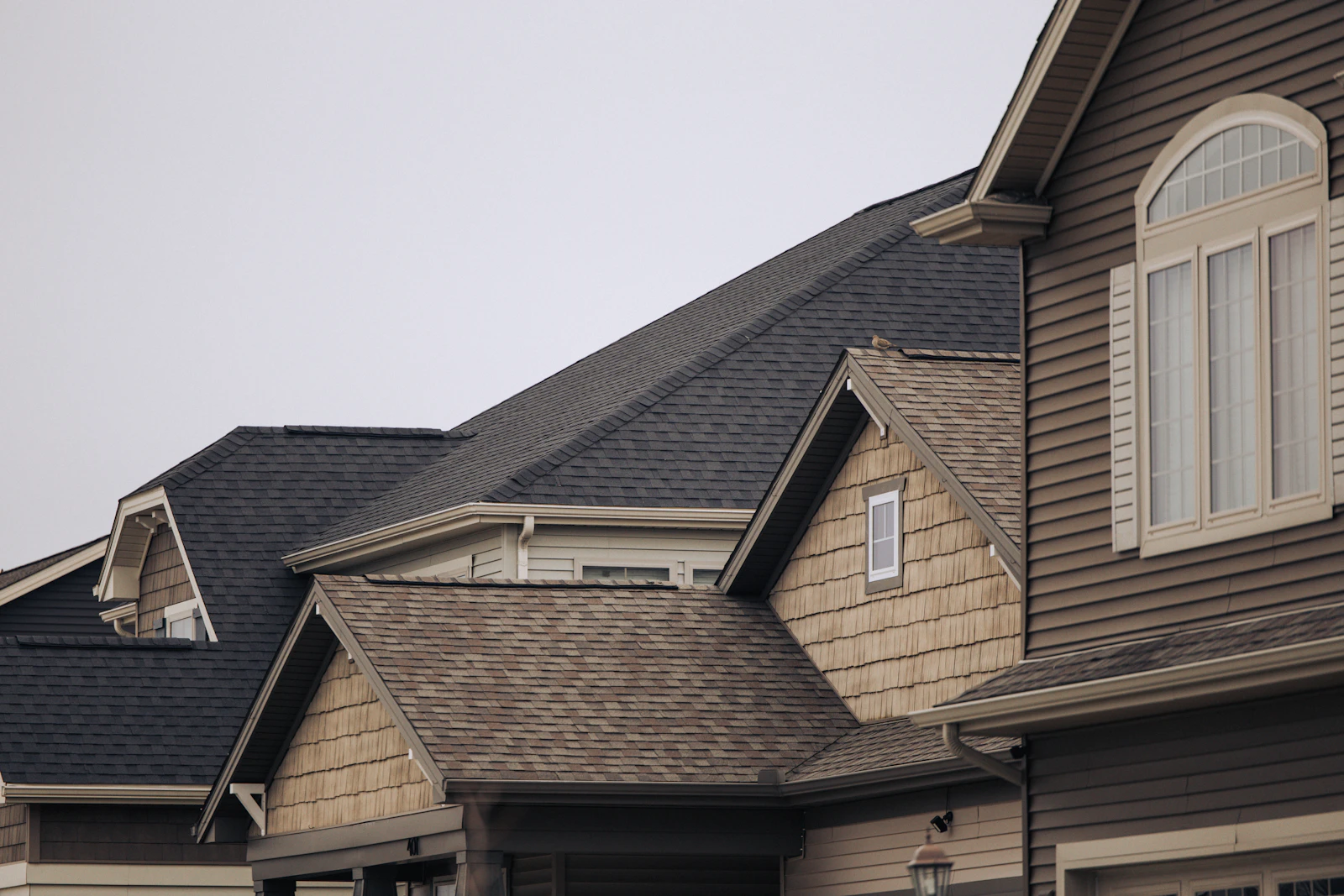
Photo by Markus Winkler on Unsplash
Almost every week, a homeowner asks me some version of the same question: "Should I put solar on my roof?" It usually comes up during a listing consultation, or over coffee after a neighbor two doors down got panels installed. And it's a fair question, because the honest answer is: it depends on your roof, your bill, and your timeline — not on whatever a salesperson tells you at your front door.
I spent 25 years teaching high school English before I became a REALTOR®, and old habits stick. When something is confusing, I want to break it into parts you can actually check for yourself. So that's what this guide does. No hype, no countdown timers, no pressure. Just the numbers and questions that matter if you're a homeowner in Bloomfield, Montclair, Nutley, Verona, Cedar Grove, or anywhere else in Essex County weighing this decision.
How Solar Actually Pays You Back
Solar panels don't save you money by themselves. They save you money because of three things working together: a federal tax credit that lowers your upfront cost, a New Jersey program that pays you for the energy you generate, and a billing arrangement called net metering that credits you for what you send back to the grid. Understanding each piece separately makes the whole picture much less mysterious.
The Federal Solar Tax Credit
The federal Residential Clean Energy Credit currently lets homeowners claim 30% of the total cost of a solar installation as a credit against their federal income taxes. On a $22,000 system, that's roughly $6,600 back — not a rebate check, but a dollar-for-dollar reduction in what you owe the IRS. Because credit percentages and eligibility rules are set by Congress and can change, this is one number worth confirming with your tax preparer before you sign anything.
New Jersey's SREC-II Program
New Jersey replaced its original SREC market with a program called SREC-II, which pays homeowners for the electricity their system produces through fixed, long-term incentive payments rather than a fluctuating market price. This is one of the more homeowner-friendly structures in the country, because it removes a lot of the guesswork that made the old SREC market hard to predict. The exact payment rate depends on your system size and when you're approved into the program.
Net Metering and Your Utility Bill
On sunny afternoons, a well-sized system often produces more electricity than a house is using in that moment. Net metering is the arrangement with your utility — PSE&G, for most of Essex County — that credits you for that excess, which you then draw back down on cloudy days or at night. Your system isn't sized to make you energy-independent; it's sized to offset your annual usage on paper, with the utility acting as a very patient battery.
What Determines Your Payback Period
When people ask "is solar worth it," what they usually mean is "how many years until this pays for itself." That number varies more than most solar salespeople will admit, and it comes down to a handful of concrete, checkable factors.
Roof Age and Condition
If your roof is more than 12 to 15 years old, most installers will recommend replacing it before adding panels — because removing and reinstalling an array to fix a roof underneath it later erases a good chunk of your savings. This is worth budgeting for honestly rather than discovering mid-project.
Orientation and Shade
A south-facing roof with few obstructions performs best, but east-west arrays can still work well, especially on the older, tree-lined lots common in towns like Glen Ridge, Maplewood, and South Orange. Mature oak canopies are one of the more overlooked reasons a projected payback period doesn't match reality — a shading study, not just a satellite photo, is worth asking for.
Your Current Electric Bill
Solar tends to make the most financial sense for households with consistently higher electric bills — often from central air conditioning, electric heat, or a home office running year-round. If your monthly bill runs under $100, the math simply takes longer to work in your favor.
"The homeowners who get the most out of solar are the ones who ask the boring questions first — roof age, tree cover, how long they're staying — before they ever ask about panels."
— Douglass Gillespie
Is Your Home a Good Candidate?
Before you request a single quote, walk your own property with this checklist. It won't give you a final answer, but it will tell you whether the conversation is worth having yet.
- Roof is under 12 years old, or you're planning to replace it as part of this project.
- Your average monthly electric bill is $130 or higher.
- You plan to stay in the home at least 7–10 more years, or you're comfortable transferring the system to a buyer.
- Your south, east, or west-facing roof gets direct sun for most of the day, without heavy tree cover.
- You've confirmed whether your town, HOA, or historic district has any review requirements before installation.
Buying, Leasing, or a Power Purchase Agreement?
Homeowners are typically offered three different ways to go solar, and they lead to very different financial outcomes. This isn't an exhaustive breakdown of every contract term, but it's the shape of the decision.
| Structure | You own the system? | Who gets the tax credit & SRECs | Effect on a future sale |
|---|---|---|---|
| Cash Purchase | Yes, immediately | You | Adds owned equipment; typically the cleanest for buyers |
| Solar Loan | Yes, once paid off | You | Straightforward, but confirm the loan isn't a lien complicating title |
| Lease | No — the company owns it | The leasing company | Must be transferred or bought out; can slow down a sale |
| Power Purchase Agreement (PPA) | No — you buy the power it makes | The PPA company | Same transfer requirement as a lease |
If you're planning to sell within the next few years, a leased system or an active PPA is one of the most common things that stalls a closing — the buyer has to qualify to take over the contract, and not every lender or buyer wants to. If you're weighing solar with a future sale in mind, ownership is generally the simpler path.
A Few Essex County Specifics Worth Knowing
Solar rules aren't identical from town to town. Historic districts in parts of Glen Ridge and Montclair may have design review for visible rooftop equipment. Towns with dense tree canopy, like Maplewood, South Orange, and parts of West Orange, tend to see more shading-related performance gaps than installers' initial estimates suggest. And in towns with older housing stock throughout Belleville and Nutley, roof condition is very often the deciding factor, simply because of the age of the homes.
None of this makes solar a bad idea locally — plenty of Essex County homes are excellent candidates. It just means the right first step is usually a straightforward roof and shading assessment specific to your address, not a generic online quote based on your zip code.

Frequently Asked Questions
Does solar actually increase my home's resale value?
Owned systems tend to be viewed favorably by buyers and appraisers, though the exact dollar impact varies by market and by how the system is documented. Leased systems are more of a mixed bag, since the new buyer typically has to qualify to assume the lease.
How long does a typical NJ solar payback period take?
It varies widely by roof, usage, and financing choice — commonly somewhere in the range of 7 to 12 years for owned systems, though your specific numbers could fall outside that. This is a question to ask any installer to answer with your actual roof and bill, not an average.
Do I need to replace my roof before installing solar?
Not always — but if your roof is nearing the end of its expected lifespan, most installers will strongly recommend it, since removing panels later to redo roofing adds real cost.
What happens to my panels if I sell my home?
Owned systems generally transfer with the home as a fixture. Leases and PPAs require a formal transfer of the contract to the buyer, which is a step worth planning for well before you list.
Is New Jersey a genuinely good state for solar?
Yes, largely because of the SREC-II incentive structure and consistent net metering rules — New Jersey is regularly ranked among the stronger residential solar markets in the country, independent of how sunny the state actually is.
The Short Version
Solar can absolutely be worth it in New Jersey — for the right roof, the right bill, and the right timeline. The federal tax credit and New Jersey's SREC-II program make the financial case stronger here than in many other states. But the honest answer to "is it worth it" always starts with your specific roof, your specific electric bill, and how long you plan to stay in your home — not a one-size-fits-all sales estimate.
Wondering What This Means for You?
Every homeowner's situation is unique. Rather than relying on averages, let's look at your roof, your timeline, your neighborhood, and the numbers that matter most to you. I'm happy to provide straightforward guidance with no pressure and no obligation.
Schedule a ConversationThis article is provided for educational purposes only and should not be considered financial, legal, tax, or mortgage advice. Solar incentive programs, tax credit percentages, and utility rules change over time, and every home and situation is unique. Consult a licensed tax professional, solar contractor, and your utility provider regarding your specific circumstances.
Categories
- All Blogs (136)
- Crossroads of the American Revolution (34)
- EPIQUE (2)
- Essex County Points of Interest (15)
- Essex County Transition Series (25)
- First Time Home Buyers (22)
- Home Buyer Tips (28)
- Home Seller Tips (38)
- Homeowner Tips (23)
- Lifestyle & Seasonal Guides (52)
- REAL ESTATE 101 (55)
- Washington's Spy Trail (3)
Recent Posts






GET MORE INFORMATION