
The Crossroads Before It Had a Name
Crossroads of the American Revolution · Part of an Ongoing Series
By Douglass Gillespie, REALTOR® • Essex County, NJ • 6 minute read
Ask most people what a place “did” during the American Revolution, and they picture a battlefield. Warren County didn’t have muskets and cannon smoke along its stretch of the Delaware River. It had something quieter, and just as necessary: a working river crossing that kept goods, timber, and travelers moving through New Jersey’s northwestern frontier while the war for independence was being decided a hundred miles to the south. That crossing is the ground beneath what we now call the Ramsaysburg Historic Homestead — and its story is a good reminder that being part of the Crossroads of the American Revolution isn’t only about where the fighting happened. It’s also about the roads, rivers, and landings that kept everything running while the fighting went on elsewhere.
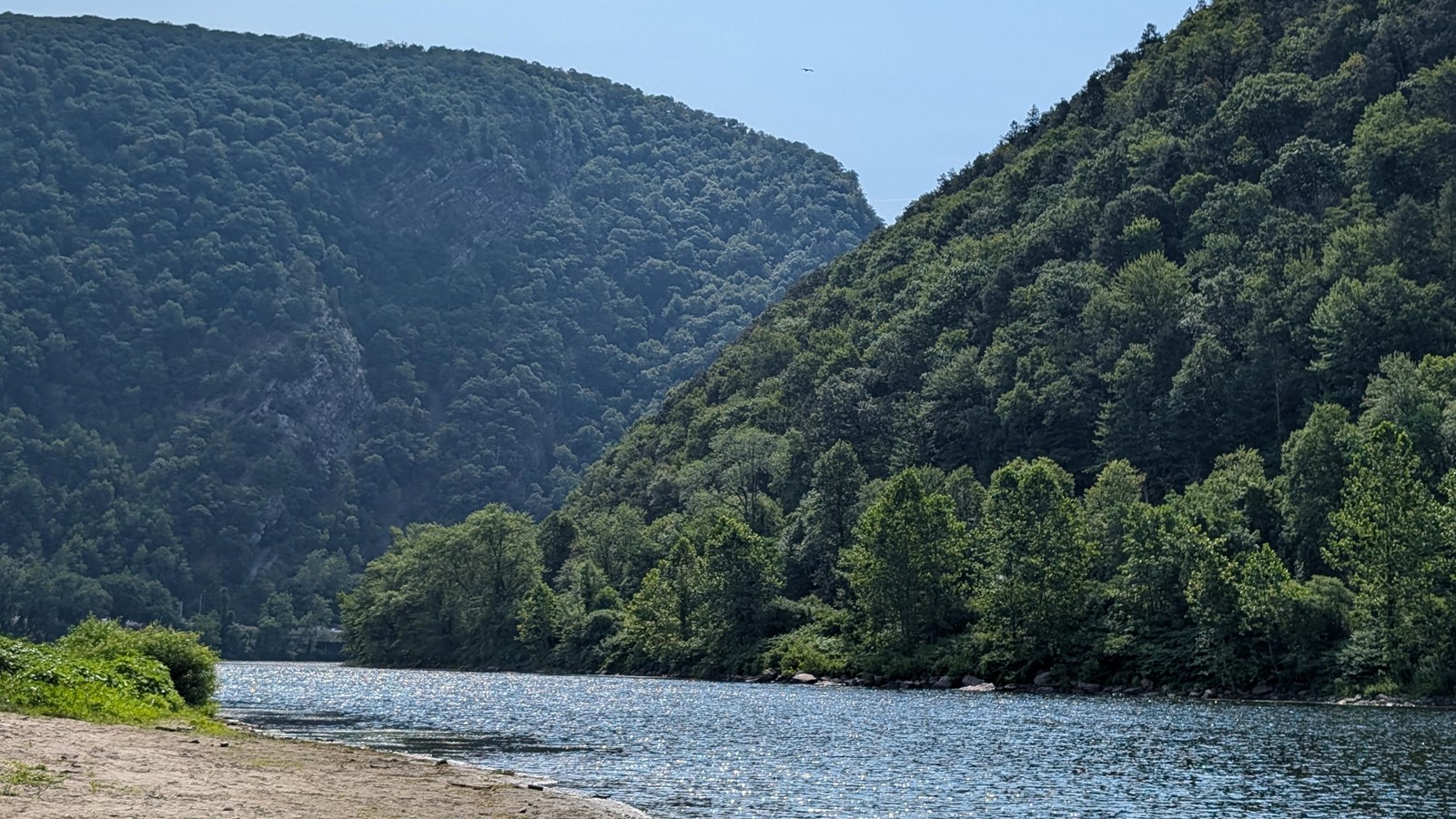
A River Landing Before It Had a Name
Long before James and Adam Ramsay ever set foot in Knowlton Township, this bend of the Delaware was already earning its keep. Research behind the property’s listing on the National and New Jersey Registers of Historic Places traces commercial activity at this exact site back to roughly 1745 — three decades before the first shots of the Revolution, and a full fifty years before the Ramsay brothers purchased the land in 1795.
That earlier chapter matters. In the mid-1700s, this stretch of what was then Sussex County (Warren County wasn’t carved out until 1824) was genuine frontier territory: sparsely settled, hard to reach overland, and dependent on the river for moving people and goods. A crossing like this one, with an earlier tavern already standing before the Ramsays took it over, would have been one of the few reliable places nearby to ford the Delaware, trade goods, or find a bed for the night.
Knowlton Township itself was chartered in 1763, a dozen years before the war began. Local historians note the name may honor Continental Army Colonel Thomas Knowlton, killed at the Battle of Harlem Heights in 1776 — a detail that quietly ties this township to the war even though no fighting reached its riverbank.
What “Crossroads of the American Revolution” Actually Means
It’s tempting to assume a place only played a role in the Revolution if a famous general slept there or a battle was fought on the property. But New Jersey earned its nickname as the Crossroads of the American Revolution largely because of this quieter kind of infrastructure: the roads soldiers marched, the rivers that carried lumber and grain toward Philadelphia, the taverns that doubled as meeting halls and militia muster points. A functioning river crossing on the frontier, sitting in a township possibly named for a fallen Continental officer, fits that definition just as surely as a battlefield does.
“ Long before anyone called it Ramsaysburg, this bend in the river was already doing the work of a nation still being built.
Enter the Ramsay Brothers
The buildings you can actually walk through today — the tavern, barn, cottage, smokehouse, and shed — were built between about 1800 and 1870, well after independence had been won. In 1795, Irish immigrants James and Adam Ramsay purchased roughly fifty acres along the river and turned the existing crossing into a proper commercial hub: a store, then a post office (James Ramsay became postmaster in 1827), a lumberyard, a sawmill, and a blacksmith shop.
For the next several decades, Ramsaysburg thrived the way small river towns did up and down the Delaware. Timber rafted down from northern forests, and farm goods and iron from the nearby Oxford Furnace were loaded onto Durham boats bound for Philadelphia. What survives today is a Georgian and Greek Revival snapshot of exactly what post-Revolutionary commerce looked like on New Jersey’s northwestern frontier.
From River Landing to Registered Landmark
By the mid-1800s, the railroad and the newly planned town of Delaware — laid out by businessman John I. Blair — pulled commerce away from Ramsaysburg. The buildings stood quietly for more than a century until the State of New Jersey’s Green Acres program acquired the twelve-acre site in 2000. The Knowlton Township Historic Commission has worked since then to stabilize the structures, which earned a place on the National Register of Historic Places in 2004.
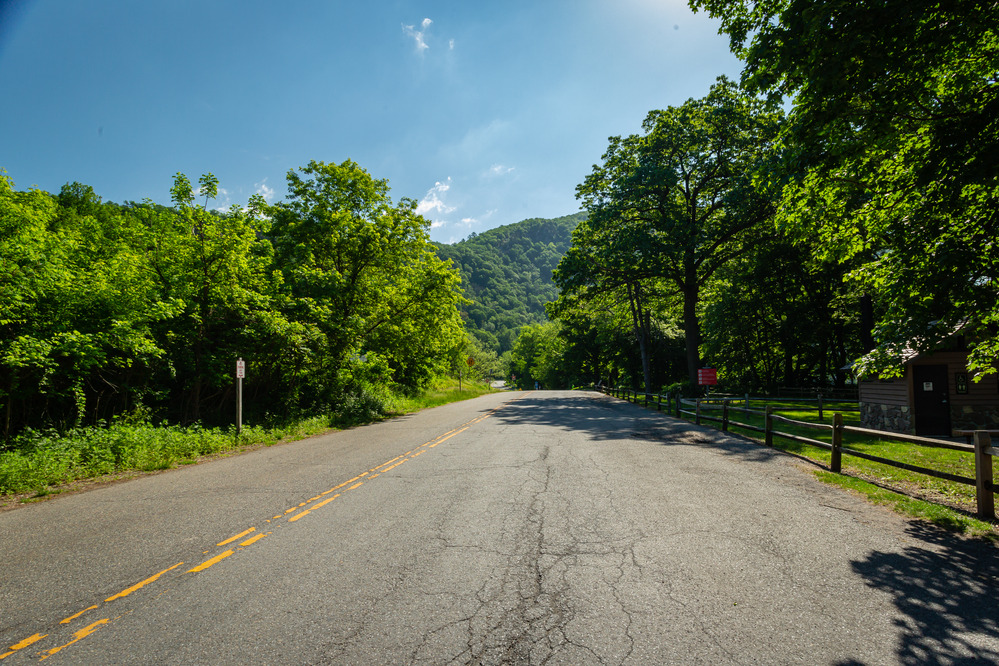
Planning a Visit to Ramsaysburg
- Where: 140 Route 46 East, Delaware, NJ 07833, at the intersection with Ramsaysburg Road
- What’s standing: the original tavern, barn, cottage, smokehouse, and shed, built 1800–1870
- What to do: river access for fishing, canoe and kayak launching, and walking the grounds
- Best times: check the Friends of Ramsaysburg calendar for summer concerts and the annual Fall Festival & History Trail
- Pair it with: other stops along the Explore Warren History Trail
| Era | c. 1745–1775: Frontier Crossing | 1795–1850: Ramsaysburg Hamlet | Today |
|---|---|---|---|
| Primary use | River ford and tavern stop | Store, post office, lumberyard, sawmill | Historic park and river access |
| Who you’d meet | Travelers, traders, frontier settlers | The Ramsay family, tenant workers, rivermen | Hikers, paddlers, history buffs |
| How to experience it | No structures survive from this period | Georgian & Greek Revival buildings still standing | Self-guided grounds tours, seasonal events |
Why a Quiet Crossing Like This One Is Worth Knowing About
Understanding why towns like Knowlton feel the way they do often comes down to this same layered history: a place that quietly did necessary work long before anyone thought to preserve it. Essex County has its own version of these crossroads. Colonial roads became today’s main streets. Mills became the mixed-use buildings we walk past now. Taverns became the diners and coffee shops where neighbors still gather, whether you’re in Bloomfield, Montclair, Glen Ridge, Nutley, Verona, Cedar Grove, Belleville, Maplewood, South Orange, or West Orange.
When you understand why a town’s oldest streets run where they do, you understand the town itself a little better. That’s useful whether you’re choosing a neighborhood to raise a family in, or figuring out how to talk about your own home’s history when it’s time to sell it.
Worth Remembering
A site doesn’t need a battle to matter. Sometimes the most honest history is the story of the everyday work — the crossing, the tavern, the road — that kept a community, and a young country, moving forward.
Frequently Asked Questions
Did any Revolutionary War battles happen at Ramsaysburg?
No documented battle took place at the site. Its Revolutionary-era significance comes from its role as a working river crossing and frontier landing during the war years, not from combat.
How old are the buildings you can see today?
The standing structures — tavern, barn, cottage, smokehouse, and shed — were built between about 1800 and 1870, after James and Adam Ramsay purchased the property in 1795.
Why is it called Ramsaysburg if the family arrived after the Revolution?
The name comes from James and Adam Ramsay, Irish immigrants who purchased the land in 1795 and built the commercial hamlet whose remains stand today. The river crossing itself predates their arrival by decades.
Is Ramsaysburg Historic Homestead open to the public?
Yes. It’s a twelve-acre historical park in Knowlton Township, leased from the State of New Jersey’s Green Acres program, with river access, walking paths, and seasonal events organized by the Friends of Ramsaysburg.
How does this site connect to the Crossroads of the American Revolution?
New Jersey earned that nickname for the density of roads, river crossings, and supply routes that kept the colonies functioning during the war, not only for its battlefields. A working crossing like the one at Ramsaysburg is part of that same infrastructure.
The Short Version
Ramsaysburg’s connection to the American Revolution isn’t a story about musket fire on the riverbank. It’s a story about a river crossing that was already at work decades before the war, in a frontier township possibly named for a Continental Army colonel, doing the ordinary, necessary work that kept a young colony connected to itself. The buildings you can visit today came later, but the ground they stand on was part of the Revolution’s story long before anyone thought to write it down.
Wondering What This Means for You?
Every buyer and seller’s situation is unique. Rather than relying on averages or headlines, let’s look at your specific goals, your timeline, your neighborhood, and the numbers that matter most to you. Whether you’re buying your first home, preparing to sell, or simply weighing your options, I’m happy to provide straightforward guidance with no pressure and no obligation.
In Person • Zoom • Phone
doug.gillespie.realtor@gmail.com • Mobile: 862.202.4790 • Office: 888.893.3537 x706 • douggillespie.epiquerealty.com
Douglass Gillespie
REALTOR® • NJ Area Leader • Brookdale Home Advisor, Essex County • EPIQUE Realty
Douglass spent more than 25 years as a New Jersey high school English teacher before moving into real estate, and that background still shapes how he works: calm explanations, no pressure, and a genuine love of local history and the stories behind the towns he serves. He helps buyers, sellers, and downsizers throughout Brookdale, Bloomfield, Montclair, Glen Ridge, Nutley, and the surrounding Essex County communities.
📞 862.202.4790 | ✉️ doug.gillespie.realtor@gmail.com | 🌐 douggillespie.epiquerealty.com
This article is provided for educational purposes only and should not be considered financial, legal, tax, or mortgage advice. Market conditions change over time, and every situation is unique. Consult the appropriate licensed professionals regarding your specific circumstances.
© 2026 Douglass Gillespie • EPIQUE Realty • All Rights Reserved
Categories
- All Blogs (122)
- Crossroads of the American Revolution (32)
- EPIQUE (2)
- Essex County Points of Interest (13)
- Essex County Transition Series (21)
- First Time Home Buyers (19)
- Home Buyer Tips (24)
- Home Seller Tips (35)
- Homeowner Tips (17)
- Lifestyle & Seasonal Guides (43)
- REAL ESTATE 101 (49)
- Washington's Spy Trail (1)
Recent Posts


GET MORE INFORMATION