
Flood Zones, Drainage, and Home Insurance: What Essex County Buyers and Homeowners Should Know
Home Buying • Home Ownership • Essex County, NJ
Flood Zones, Drainage, and Home Insurance: What Essex County Buyers and Homeowners Should Know
A calm, practical guide to reading a flood map, spotting drainage trouble, and understanding which policy covers which kind of water.
By Douglass Gillespie, REALTOR®
NJ Area Leader • Brookdale Home Advisor – Essex County • EPIQUE Realty
Published October 15, 2026 • 8 minute read
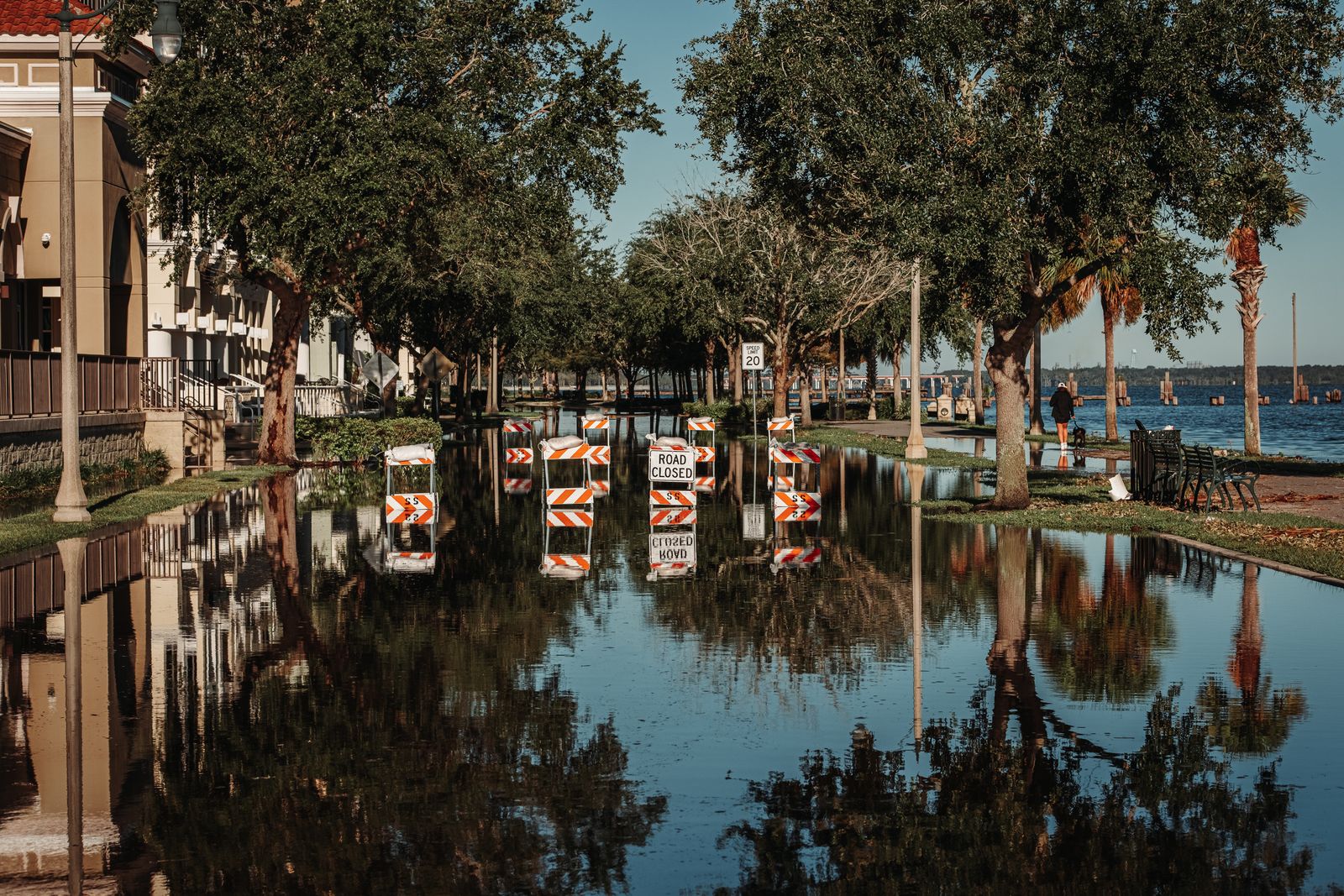
Picture a buyer who has fallen for a brick colonial on a quiet street. The kitchen is updated, the yard is flat and green, and the price feels right. Then, a few days into the process, the lender mentions flood insurance, and the whole conversation changes.
Questions about water belong at the beginning of a home search, not the end. They are not a reason to be afraid of a house. They are a reason to understand it. In this article I'll explain how flood zones work, why drainage matters as much as the map, and how insurance treats different kinds of water. Whether you're buying in Nutley, selling in Maplewood, or have lived in Verona for thirty years, these are good questions to ask.
A Flood Zone Is a Forecast, Not a Verdict
FEMA publishes flood maps that sort land into risk categories. The most important line on those maps marks the Special Flood Hazard Area, where the chance of flooding in any given year is 1 percent. That is where the phrase “100-year floodplain” comes from, and the phrase is a little misleading. It does not mean a flood arrives once a century.
Think of a weather forecast that says “1 percent chance” — except the event is a serious flood, and the forecast applies every single year. FEMA points out that over the life of a 30-year mortgage, a home in that area has roughly a 26 percent chance of flooding. That is about one in four, which is a number worth taking seriously.
The designations you will see
New Jersey's seller disclosure form asks about two of them. Here is a plain-language comparison:
| Designation | Chance in a given year | Flood insurance |
|---|---|---|
| Special Flood Hazard Area (“100-year floodplain”) |
1 percent | Generally required if the mortgage is federally backed or regulated |
| Moderate Risk Flood Hazard Area (“500-year floodplain”) |
0.2 percent | Usually not required, but worth pricing out |
| Outside both areas | Lower, but not zero | Optional, and often inexpensive |
Maps are snapshots
FEMA updates its maps as studies are revised, so a property can move into or out of a zone over time. And water does not read maps. FEMA has reported that a meaningful share of flood insurance claims come from outside the high-risk areas. A map is a good starting point, but it is not a guarantee in either direction.
Drainage: What the Map Cannot Show
Imagine your lot as a shallow bowl. The flood map describes the river down the road. Drainage describes what happens when rain lands on your own roof, your own driveway, and your neighbor's. A home can sit well outside a mapped zone and still take on water every spring because of how the ground slopes toward the foundation.
Essex County has good reason to pay attention. The Passaic, Rahway, and Peckman rivers and a number of smaller brooks run through or beside communities such as Nutley, Belleville, Maplewood, South Orange, Verona, and Cedar Grove. Hillside streets in Montclair and Glen Ridge send runoff downhill whether or not a river is nearby. Add finished basements in older homes, and you have a few more variables worth checking.

A drainage checklist for showings and open houses
- Basement walls and floor: look for water stains, white powdery residue, a musty smell, or one patch of fresh paint.
- Sump pump: is there one, is there a battery backup, and when did it last run?
- Grading: does the ground slope away from the foundation, or toward it?
- Downspouts: do they empty several feet from the house, or right beside it?
- Window wells and basement windows: check the frames for leaks and rust.
- The street: a low corner or a storm drain clogged with leaves tells a story.
- Ask the neighbors: they usually know which houses stay dry and which do not.
- Visit in the rain, if you can: an hour in a downpour shows what listing photos cannot.
“The flood map describes the neighborhood. The basement describes the house. You need both.”
Home Insurance: Which Policy Covers Which Water
Here is the point that surprises many homeowners: a standard homeowners policy generally does not cover flood damage. Flood, meaning water rising over land that is normally dry, is covered by a separate policy, either through the National Flood Insurance Program (NFIP) or a private insurer. NFIP residential coverage is capped at $250,000 for the building and $100,000 for contents, so owners of higher-value homes often ask about private or excess options.
The easiest way to keep it straight is to ask where the water came from:
| What happened | Usually addressed by |
|---|---|
| A storm damages the roof and rain gets in | Standard homeowners policy |
| A pipe bursts inside the house | Standard homeowners policy |
| A river or heavy runoff pushes water into the basement | Flood policy (NFIP or private) |
| A sewer or drain backs up through a floor drain | Water-backup endorsement, often an optional add-on |
| A sump pump fails or overflows | Often the same endorsement; many standard policies exclude it |
Policies differ, so read yours and ask your agent to point to the exact wording.
Timing matters
NFIP flood policies typically carry a 30-day waiting period, with limited exceptions such as a policy bought in connection with a loan closing. FEMA's current pricing method, Risk Rating 2.0, looks at a home's individual characteristics, such as distance to water and rebuilding cost, so two neighbors can pay different premiums.
A practical tip for buyers: ask an insurance agent for a flood quote during your attorney-review and inspection period, before you are committed. The premium then becomes part of your decision rather than a surprise at the closing table.

New Jersey's Flood Disclosure Rules
Since March 20, 2024, New Jersey sellers must answer a set of flood-risk questions on the state's Property Condition Disclosure Statement before a buyer becomes obligated under the contract. The questions cover:
- Whether the home sits in a FEMA Special or Moderate Risk Flood Hazard Area
- Whether the property has had flood damage, water seepage, or pooled water
- Whether flood insurance is required, and whether claims or federal disaster assistance were involved
- Whether a FEMA elevation certificate is available
If you're buying, read those answers closely and ask follow-up questions. If you're selling, gather your repair records and answer candidly. The state's lookup tool lets you search a mailing address to see whether it overlaps a FEMA flood hazard area. A missed or incomplete disclosure can give a buyer the right to cancel, so please speak with your attorney about your specific situation.
Three Authoritative Resources Worth Bookmarking
FEMA Flood Map Service Center
Search an address and see the official flood map for the property.
FloodSmart.gov
FEMA's guide to flood insurance, including how to find an agent and what a policy covers.
New Jersey Flood Risk Disclosure
The state's Flood Risk Notification Tool and links to the disclosure forms.
Frequently Asked Questions
Can a home flood if it is not in a flood zone?
Does homeowners insurance cover flood damage?
Do I need flood insurance if I am outside a high-risk zone?
How soon does a flood policy take effect?
What must a New Jersey seller disclose about flooding?
The Short Version
Three questions will take you a long way. Where does the map place this home? Where does the water go when it rains? And which policy covers which kind of water? None of them requires fear, only curiosity and a little advance planning. Buyers who ask early tend to feel more confident at closing. Sellers who gather their records early tend to have smoother conversations with buyers.
Wondering What This Means for Your Home?
Every buyer's and seller's situation is unique. Rather than relying on averages or headlines, let's look at your specific goals, your timeline, your neighborhood, and the details that matter most to you.
Whether you're buying your first home, preparing to sell, or simply weighing your options, I'm happy to provide straightforward guidance with no pressure and no obligation.
Schedule a Conversation
Choose what works best for you: in person, by Zoom, or by phone.
Email: doug.gillespie.realtor@gmail.com
Mobile: 862.202.4790
Office: 888.893.3537
Website: douggillespie.epiquerealty.com
Douglass Gillespie
REALTOR® • NJ Area Leader • Brookdale Home Advisor – Essex County • EPIQUE Realty
Douglass Gillespie is a REALTOR® with EPIQUE Realty who helps buyers, sellers, and downsizers move with confidence across Essex County, including Brookdale, Bloomfield, Montclair, Glen Ridge, Nutley, Verona, and Cedar Grove. Before real estate, he spent more than 25 years as a New Jersey high school English teacher, and he still believes the best decisions come from understanding rather than pressure. He holds the NAR Green Designation and the At Home With Diversity® certification, and he is the founder of The 100th Monkey Foundation, which supports mindfulness, music, and the arts.
Call or text 862.202.4790 • doug.gillespie.realtor@gmail.com • douggillespie.epiquerealty.com
This article is provided for educational purposes only and should not be considered financial, legal, tax, insurance, or mortgage advice. Flood maps, insurance programs, and disclosure rules change over time, and every situation is unique. Consult the appropriate licensed professionals regarding your specific circumstances.
Photography: Connor Scott McManus and Tom Fisk via Pexels; A A and Ariel Schmunck via Unsplash. Used under the free Pexels and Unsplash licenses.
© 2026 Douglass Gillespie • EPIQUE Realty • All Rights Reserved
```
Categories
- All Blogs (127)
- Crossroads of the American Revolution (32)
- EPIQUE (2)
- Essex County Points of Interest (13)
- Essex County Transition Series (23)
- First Time Home Buyers (20)
- Home Buyer Tips (25)
- Home Seller Tips (36)
- Homeowner Tips (20)
- Lifestyle & Seasonal Guides (47)
- REAL ESTATE 101 (51)
- Washington's Spy Trail (2)
Recent Posts







GET MORE INFORMATION