
Roof, Furnace, Windows, or Water Heater?
Home Ownership • Essex County, NJ
Roof, Furnace, Windows, or Water Heater?
A calm, practical guide for owners (and future owners) of the area’s older housing stock.
By Douglass Gillespie
REALTOR® • NJ Area Leader • Brookdale Home Advisor – Essex County • EPIQUE Realty
8 min read • Updated October 2026
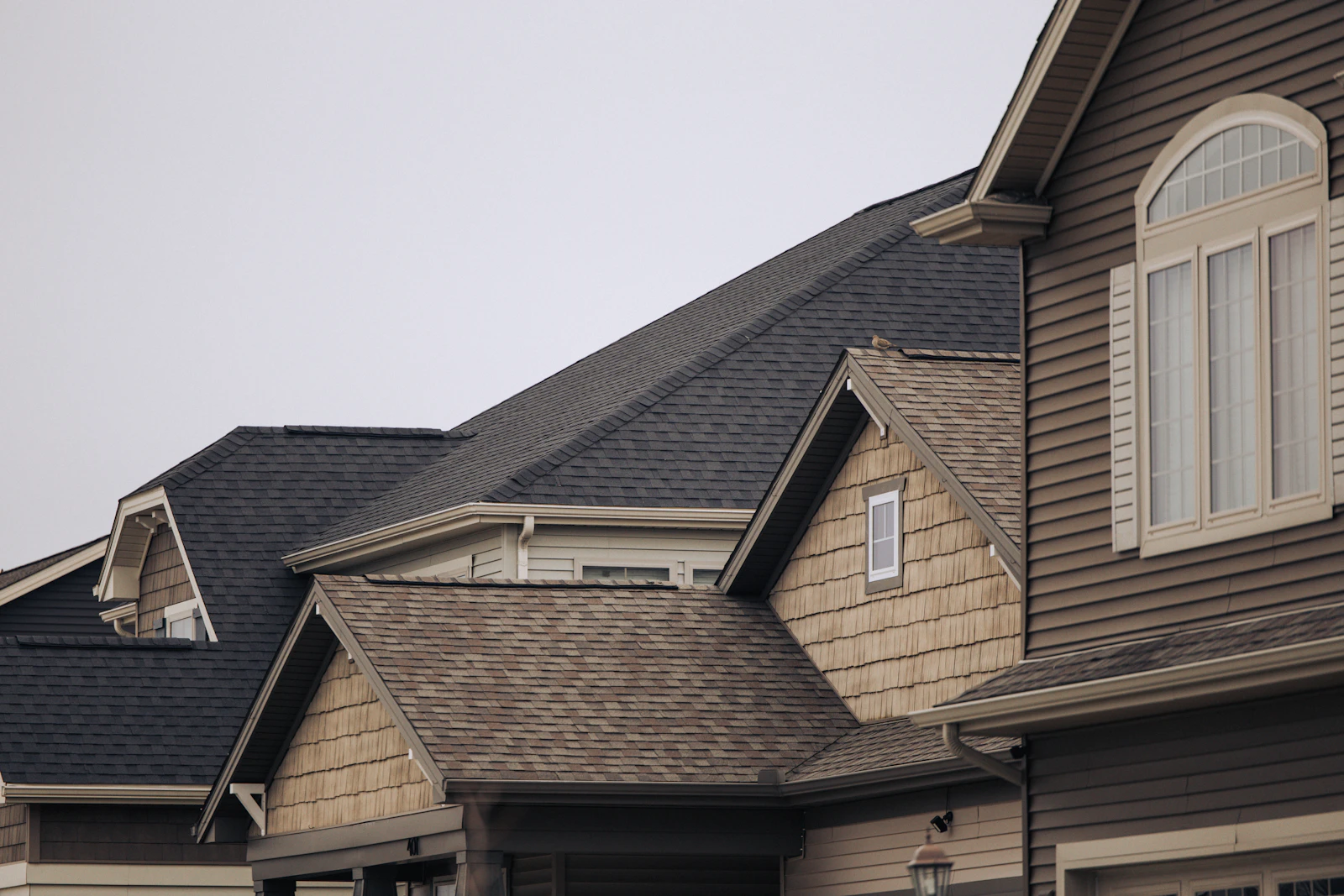
Picture a 1928 Colonial in Bloomfield, or a brick Tudor in Glen Ridge. The woodwork is beautiful, the rooms have real character, and the inspection report runs eleven pages. Four items keep landing near the top of it: the roof, the furnace, the windows, and the water heater.
If you own one of these homes, or you’re thinking about buying or selling one, those four words can feel like four very large invoices. They don’t have to. Taken one at a time, each system has a predictable lifespan, a handful of honest warning signs, and a sensible way to plan for it. After more than 25 years in the classroom, I still believe most worry comes from not having the vocabulary. So let’s build some.
Age Is a Clue, Not a Verdict
Essex County housing spans a wide stretch of history, from 1920s Colonials and Tudors in Montclair, Glen Ridge, and Nutley to mid-century Capes and split-levels in Verona, Cedar Grove, and West Orange. Very few of these homes still have every original system. Most have been patched, upgraded, and upgraded again.
That’s why I ask two questions about every system: How old is it? and How well has it been cared for? A well-maintained fifteen-year-old furnace can be a better bet than a neglected ten-year-old one.
Think of these four systems the way you think about the tires on a car. Nobody replaces them because of a date on the calendar. You watch the wear, you know roughly when they’ll be due, and you set money aside so the day doesn’t feel like an emergency.
“Age is a clue. Condition is the answer.”
The Roof: Your Umbrella
How long it typically lasts
Asphalt shingles, the most common roofing in our area, generally last about 15 to 30 years, depending on the product, the quality of the installation, ventilation, and exposure. Slate and some metal roofs can last far longer, though they bring their own repair needs. A sunny south-facing slope usually ages faster than a shaded north-facing one.
What to look for
- Shingles that are curling, cupping, cracked, or missing
- Heavy granules collecting in the gutters or at the downspouts
- Brown stains on upstairs ceilings, or dark streaks on attic wood
- Worn or lifting flashing around the chimney, vents, and valleys
- Any visible sag in the roof line
The roof is the one system where a small problem can become an expensive one quickly, because water finds every weakness. If I could ask a professional to look at only one thing in an older home, this would be it.
The Furnace or Boiler: Your Engine
Many older homes in Maplewood, South Orange, and Belleville are heated by a boiler and radiators rather than forced air. Gas furnaces commonly last 15 to 20 years. Boilers often run longer, sometimes 25 years or more with steady maintenance, especially older cast-iron models.
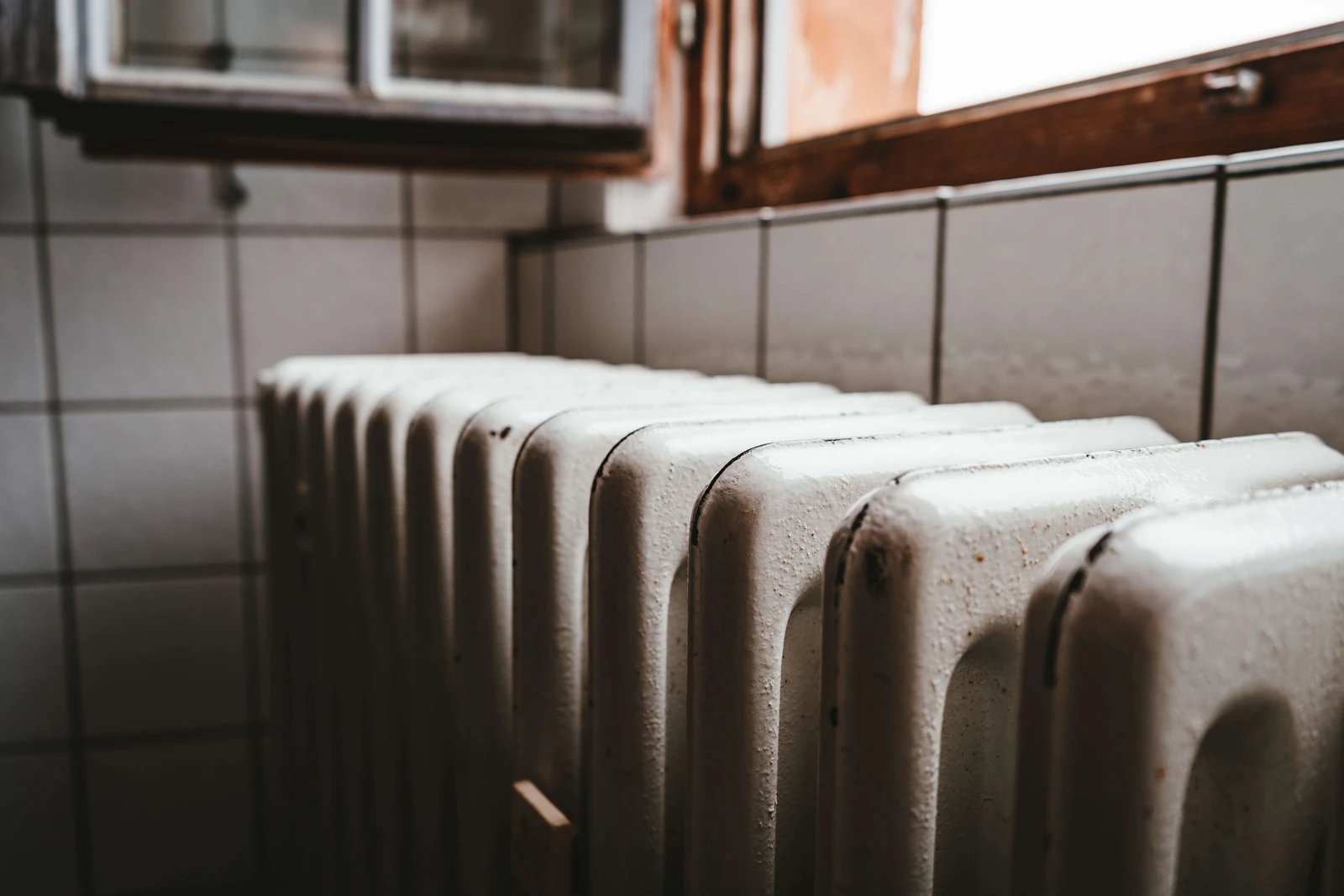
Signs it’s tiring
Uneven heat from room to room, rising bills, frequent repairs, unusual noises, rust or soot near the unit, and a system that turns on and off in short bursts are all worth a call to a licensed heating contractor. Annual service is the least expensive insurance a homeowner can buy.
Safety comes first
Keep working carbon monoxide detectors on every level of the home. If you ever smell gas, leave the house and call your gas utility from outside. And if the home was ever heated with oil, ask about the tank, including whether an underground tank was ever in service and how it was handled. It’s a common question in New Jersey, and documentation matters.
Windows: Your Winter Coat
Original wood windows get a bad reputation. They rattle, they stick, and some have been painted shut for decades. But a well-restored wood window paired with a good storm window can perform respectably, and replacement isn’t always the clear financial win that marketing suggests. Modern replacement windows typically last about 20 to 30 years, so they’re an expense that comes back around too.
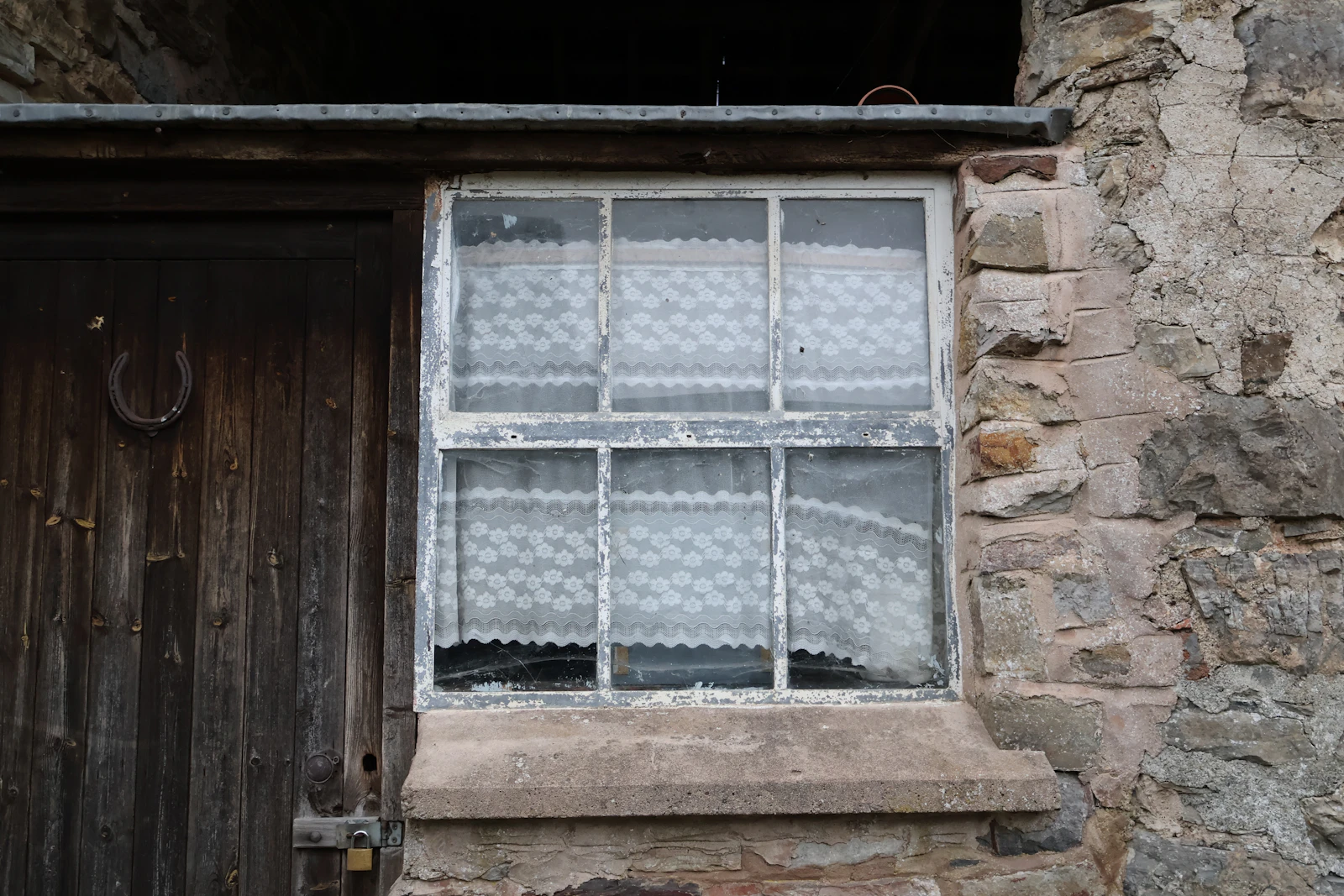
What matters most
- Soft or rotted wood at the sill or frame needs attention before anything else.
- Fog between the panes usually means a failed seal in a double-pane unit.
- Drafts on a windy day can often be improved with weatherstripping or storm windows.
Windows rarely fail suddenly, which means you can usually plan them in phases, starting with the rooms that bother you most. One local note: some historic districts in towns such as Montclair and Glen Ridge may review exterior changes, so check with your municipality before ordering anything.
The Water Heater: The Quiet One
A traditional tank water heater typically lasts about 8 to 12 years. Tankless models can last closer to 20. You can usually find the age on the label: the serial number often encodes the month and year it was made, and most manufacturers publish a decoder online.
Rust-colored hot water, rumbling or popping sounds, moisture or corrosion at the base, and running out of hot water too soon are the common warning signs. This is the system most likely to fail with a mess. A tank leak can release dozens of gallons, which matters if your basement is finished. Replacing it on your schedule, instead of the tank’s, is almost always the better plan.
The Four Systems at a Glance
| System | Typical lifespan | Early warning signs | If it fails | Relative cost |
|---|---|---|---|---|
| Roof | 15–30 years (asphalt) | Curling, granule loss, ceiling stains | Water damage that spreads quickly | $$$$ |
| Furnace / Boiler | 15–20 years (furnace); often 25+ (boiler) | Uneven heat, noise, rising bills | No heat, plus possible safety concerns | $$$ |
| Windows | 20–30 years (replacement); wood can be restored | Fogging, drafts, soft wood | Rarely sudden; comfort and efficiency suffer | $$–$$$$ (depends on the number) |
| Water heater | 8–12 years (tank) | Rust, rumbling, moisture at the base | Leak or no hot water | $ |
Ranges are general. Installation quality, maintenance, and local conditions all change the real answer.
Which One Comes First?
If more than one system is aging at once, I suggest a simple order: keep water out, keep the heat safe, then improve comfort. That usually puts an active roof leak first, a failing furnace or boiler second, and a water heater that’s past its prime third. Windows tend to come last, unless rot or water intrusion is involved.
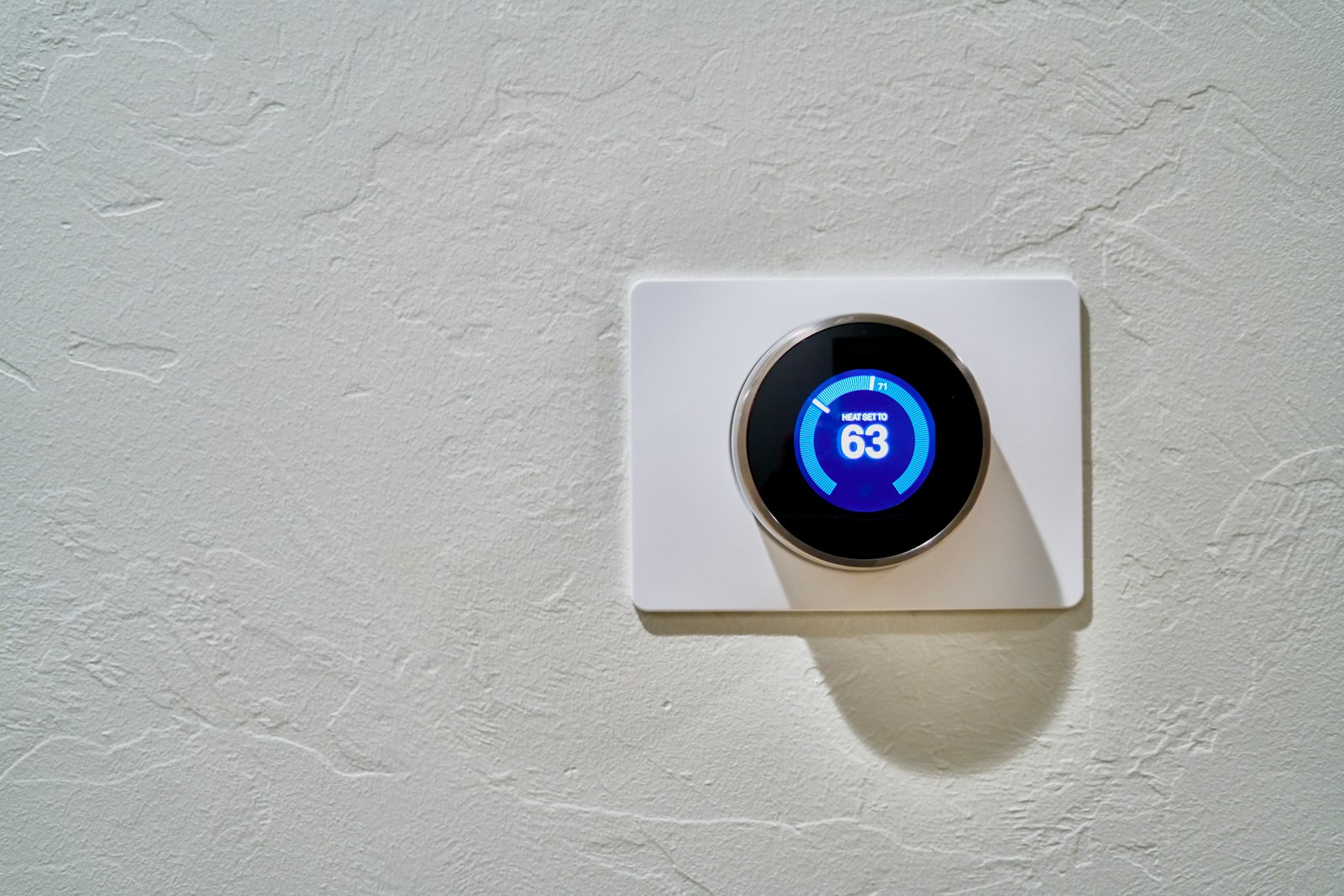
If you’re buying
Ask for the age of each system and any receipts, permits, or service records. Treat an older system as a line item to plan for, not automatically a reason to walk away. It’s also worth asking your insurance agent whether the age of a roof affects coverage, since some insurers have requirements.
If you’re selling
You don’t need to replace everything before listing. In my experience, buyers react more to uncertainty than to age. A tidy folder of service records, permit finals, and perhaps a pre-listing inspection can turn unknowns into known quantities. Whether to replace anything beforehand depends on your home, your timeline, and your neighborhood.
A Calm Homeowner’s Checklist
- ☐ Find the age of the roof, furnace or boiler, water heater, and windows.
- ☐ Photograph each equipment label and keep the photos together.
- ☐ Schedule furnace or boiler service once a year.
- ☐ Test smoke and carbon monoxide detectors.
- ☐ Look at the roof from the ground after big storms, and check the attic for stains.
- ☐ Keep gutters clear and glance at the water heater’s base for moisture.
- ☐ Start a home-maintenance fund, so replacements are planned, not surprises.
Frequently Asked Questions
Should I replace the roof before I sell?
How can I tell how old my water heater is?
Are replacement windows worth it in an older home?
How often should a furnace or boiler be serviced?
The Short Version
Older homes aren’t a problem to be solved. They’re a set of systems to be understood. Learn the age and condition of the roof, the heating system, the windows, and the water heater, then put them in order: water first, safety second, comfort third. That one habit takes most of the fear out of owning, buying, or selling an older home in Essex County.
Wondering What This Means for You?
Every buyer’s and seller’s situation is unique. Rather than relying on averages or headlines, let’s look at your goals, your timeline, your neighborhood, and the numbers that matter most to you.
Whether you’re buying your first home, preparing to sell, or simply weighing your options, I’m happy to provide straightforward guidance with no pressure and no obligation.
Choose what works best for you: In Person • Zoom • Phone
Email: doug.gillespie.realtor@gmail.com
Mobile: 862.202.4790
Office: 888.893.3537
Website: douggillespie.epiquerealty.com
Douglass Gillespie
REALTOR® • NJ Area Leader • Brookdale Home Advisor – Essex County • EPIQUE Realty
Douglass spent more than 25 years as a New Jersey high school English teacher before becoming a REALTOR®, and he still believes the best real estate decisions come from understanding, not pressure. He helps downsizers, move-up buyers, and homeowners in Brookdale, Bloomfield, Montclair, Glen Ridge, Nutley, Verona, Cedar Grove, and surrounding communities. He holds the NAR Green Designation and the At Home With Diversity® certification, and he is the Founder and President of The 100th Monkey Foundation, a nonprofit supporting mindfulness, music, and the arts.
862.202.4790 • doug.gillespie.realtor@gmail.com • douggillespie.epiquerealty.com
This article is provided for educational purposes only and should not be considered financial, legal, tax, or mortgage advice. Market conditions change over time, and every situation is unique. Consult the appropriate licensed professionals regarding your specific circumstances.
Photo credits: Will Haddock, Julian Hochgesang, T (@tanyabarrow), and Dan LeFebvre, all via Unsplash.
© 2026 Douglass Gillespie • EPIQUE Realty • All Rights Reserved
Categories
- All Blogs (129)
- Crossroads of the American Revolution (33)
- EPIQUE (2)
- Essex County Points of Interest (13)
- Essex County Transition Series (23)
- First Time Home Buyers (20)
- Home Buyer Tips (26)
- Home Seller Tips (37)
- Homeowner Tips (21)
- Lifestyle & Seasonal Guides (48)
- REAL ESTATE 101 (52)
- Washington's Spy Trail (2)
Recent Posts







GET MORE INFORMATION